


Every week, intriguing new history books are published–far more than we have space to feature on Drafting the Past! To help you keep up with some of the latest releases in historical non-fiction, below are some of the books coming out this week that caught my eye. If you’ve read any of these, I’d love to hear what you think!
Note: Bookshop.org links are affiliate links.
Sarah Weinman, Without Consent: A Landmark Trial and the Decades-Long Struggle to Make Spousal Rape a Crime (Ecco)

From the publisher: “In 1978, Greta Rideout was the first woman in United States history to accuse her husband of rape, at a time when the idea of “marital rape” seemed ludicrous to many Americans and was a crime in only four states. After a quick and conservative trial acquitted John Rideout and a defense lawyer lambasted that “maybe rape is the risk of being married,” Greta was ridiculed and scorned from public life, while John went on to be a repeat offender. Thrust into the national spotlight, Greta and her story would become a national sensation, a symbol of a country’s unrelenting and targeted hate toward women and a court system designed to fail them at every turn.
A now little-remembered trial deserving of close, wide, and lasting attention, Sarah Weinman turns her signature intelligence and journalistic rigor to the enduring impact of this case. Oregon v. Rideout directly inspired feminist activists, who fought state by state for marital rape laws, a battle that was not won in all fifty until as recently as 1993. Mixing archival research and new reporting involving Greta, those who successfully pressed charges against John in later years, as well as the activists battling the courts in parallel, Without Consent embodies vociferous debates about gender, sexuality, and power, while highlighting the damaging and inherent misogyny of American culture then and still now.”
John Blair, Killing the Dead: Vampire Epidemics from Mesopotamia to the New World (Princeton University Press)
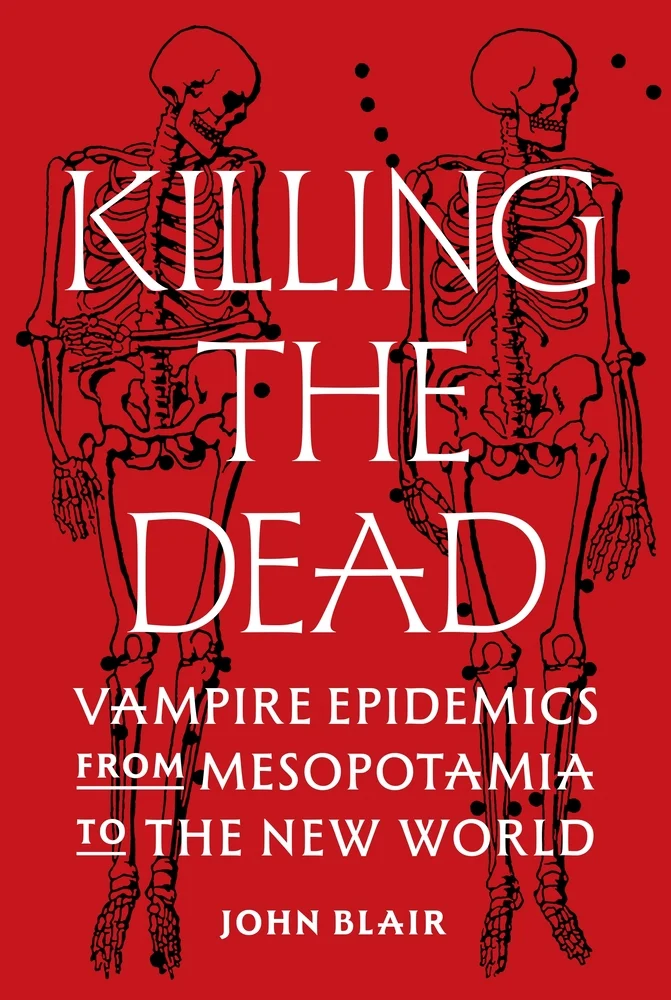
From the publisher: “Killing the Dead provides the first in-depth, global account of one of the world’s most widespread yet misunderstood forms of mass hysteria—the vampire epidemic. In a spellbinding narrative, John Blair takes readers from ancient Mesopotamia to present-day Haiti to explore a macabre frontier of life and death where corpses are believed to wander or do harm from the grave, and where the vampire is a physical expression of society’s inexplicable terrors and anxieties.
In 1732, the British public opened their morning papers to read of lurid happenings in eastern Europe. Serbian villagers had dug up several corpses and had found them to be undecayed and bloated with blood. Recognizing the marks of vampirism, they mutilated and burned them. Centuries earlier, the English themselves engaged in the same behavior. In fact, vampire epidemics have flared up throughout history—in ancient Assyria, China, and Rome, medieval and early modern Europe, and the Americas. Blair blends the latest findings in archaeology, anthropology, and psychology with vampire lore from literature and popular culture to show how these episodes occur at traumatic moments in societies that upend all sense of security, and how the European vampire is just one species in a larger family of predatory supernatural entities that includes the female flying demons of Southeast Asia and the lustful yoginīs of India.
Richly illustrated, Killing the Dead provocatively argues that corpse-killing, far from being pathological or unhealthy, served as a therapeutic and largely harmless outlet for fear, hatred, and paranoia that would otherwise result in violence against marginalized groups and individuals.”
Matthew Davis, A Biography of a Mountain: The Making and Meaning of Mount Rushmore (St. Martin’s)
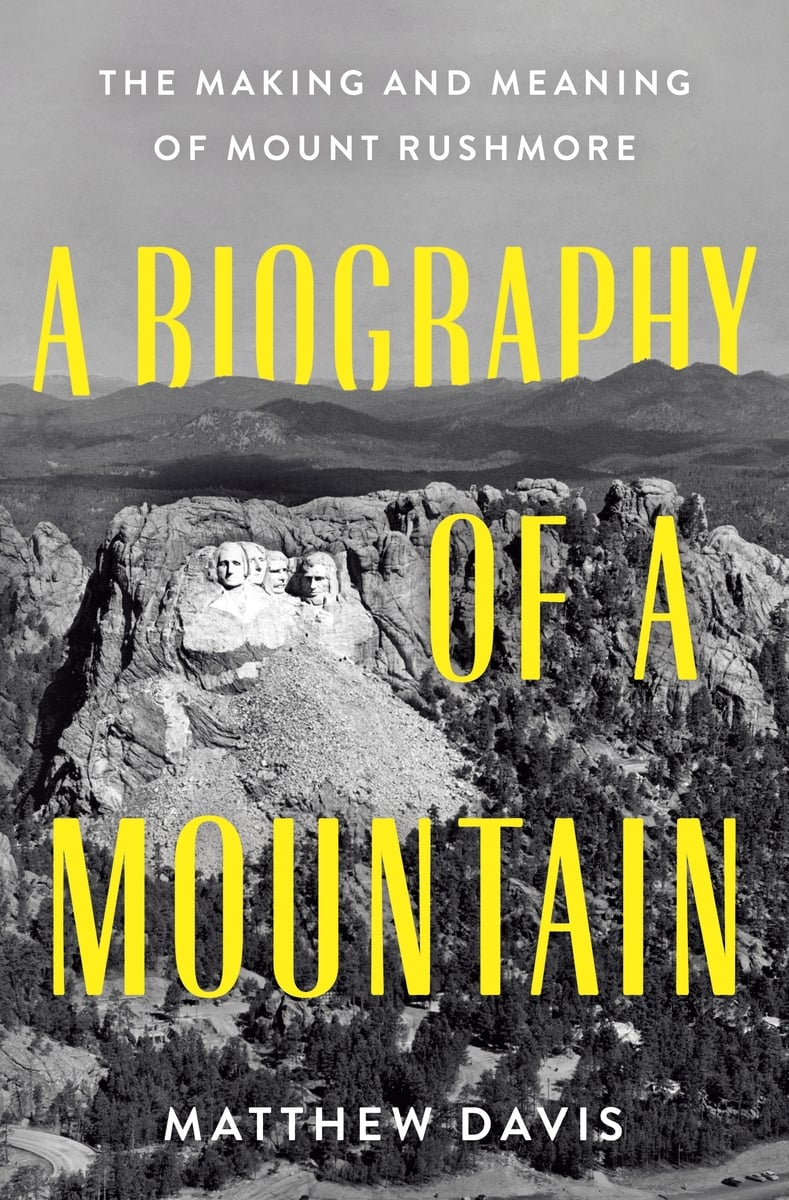
From the publisher: “A comprehensive narrative history of Mt. Rushmore, written in light of recent political controversies, and a timely retrospective for the monument's 100th anniversary in 2025
An impressive work of narrative nonfiction, A Biography of A Mountain combines history with reportage, bringing the complicated and nuanced story of Mt. Rushmore to life, from the land’s origins as sacred tribal ground; to the expansion of the American West; to the larger-than-life personality of Gutzon Borglum, the artist who carved the presidential faces into the mountain; and up to the politicized present-day conflict over the site and its future.
“Well, most people want to come to a national park and leave with that warm, fuzzy feeling with an ice cream cone. Rushmore can’t do that if you do it the right way. If you do it the right way people are going to be leaving pissed.”
Gerard Baker, the first Native American superintendent of Mt. Rushmore, shared those words with Davis. From the tragic history of Wounded Knee and the horrors of Indian Boarding Schools, to the Land Back movement of today, Davis traces the Native American story alongside the narrative of the growing territory and state of South Dakota, and the economic and political forces that shaped the reasons for the Memorial's creation. Exploring issues related to how we memorialize American history, Davis tells an imperative story for our time.
Written with extraordinary detail and attention to the humanity of this history, A Biography of a Mountain will be published in tandem with the monument’s 100th anniversary.”
Vanessa S. Williamson, The Price of Democracy: The Revolutionary Power of Taxation in American History (Basic Books)
From the publisher: “A mericans have always fought over the meaning of freedom and equality. What is not commonly recognized is that the battles most pivotal in defining our democracy, from the framing of the Constitution to the decades-long backlash to the civil rights movement, hinged on one issue—taxes.
In The Price of Democracy, Vanessa S. Williamson challenges the myth that Americans are instinctively anti-tax, revealing that fights over taxes have always been proxies for deeper conflicts over who is included in “We the People.” Poorer people have repeatedly built movements that sought to tax all Americans to create a more equal and democratic nation. Wealthy people have responded by constraining the power to tax and stifling democracy through voting restrictions, gerrymandering, and violence. Yet as hard as anti-tax crusaders have fought to create an America that redistributes not from rich to poor, but from non-white people to rich white people, the battle rages on.
The Price of Democracy uncovers how fights for fiscal fairness have defined American history, delivering a powerful message to the present: that taxes are the public’s most powerful weapon in the fight for a real democracy.”
Daniel Swift, The Dream Factory: London’s First Playhouse and the Making of William Shakespeare (Farrar, Straus and Giroux)
From the publisher: “Between 1576 and 1598, a playhouse called theTheatre stood in the northeast suburbs of London, until it was secretly torn down and its timbers used to build the much more famous Globe. Dreamed up and run by a former actor and notorious brawler named James Burbage, the Theatre was the first purpose-built commercial playhouse in London. It was plagued by litigation, heavily in debt, and the target of endless condemnation by preachers and the Lord Mayor. It was also where the young William Shakespeare worked when he first arrived in London, and it was here that he wrote many of his early plays.
At the heart of the Theatre was the dream of making money from creating art. This was Burbage’s dream, of course, but it was also Shakespeare’s, who worked with a close team of actors and cowriters at the Theatre, building the foundations of his own career and devising a way to make money from writing. Nobody had ever really done this before: playwrights in his time were notoriously poor; and the idea that one might earn a living from writing remains a faint and tempting one today.
Daniel Swift’s The Dream Factory is a story about art and money, creativity and craft, literary inspiration and the profit motive. The Theatre was a controversial, highly commercial factory for great and challenging art; into the dream factory walked the son of a Stratford tradesman, and out emerged the greatest writer in English.”
Clare Jackson, The Mirror of Great Britain: A Life of King James VI and I (Liveright)
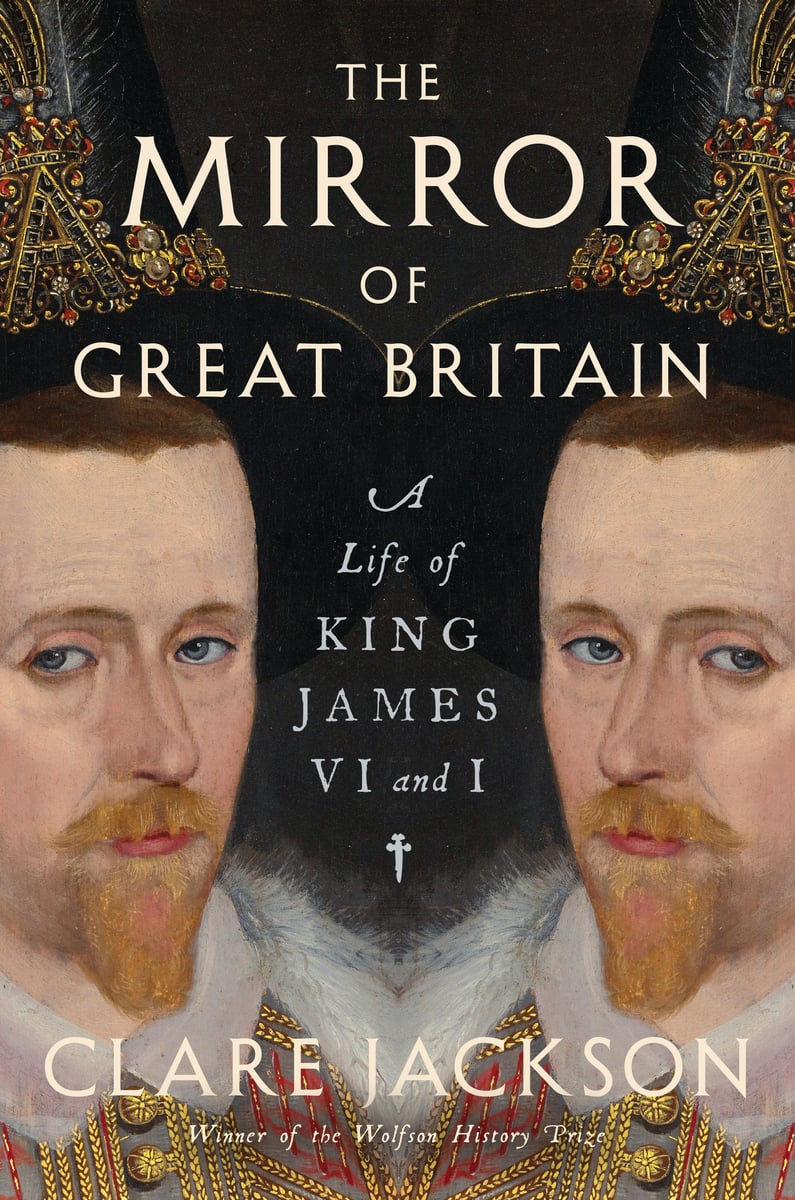
From the publisher: “History has not been kind to King James. A cradle king who was crowned in Scotland in 1567 and England and Ireland in 1603, James VI and I has long been eclipsed in fame and reputation by his predecessor and cousin, Elizabeth I, and his mother, Mary, Queen of Scots.
Yet James, if often overlooked or, more often, cruelly stereotyped, presents an equally fascinating figure: a diplomat whose long reigns encompassed extraordinary dramas, “a passionate Protestant with a profound interest in witches and demons, a lover of young men, and the patron of both Shakespeare and the great version of the Bible that still bears his name” (Fintan O’Toole). James identified himself with the “Mirror of Great Britain,” a spectacular jewel commissioned upon his accession to the English throne, which not only furnished him with one of his favorite metaphors—that of the mirror, with its limitless capacity to magnify, illuminate, and distort—but gave symbolic endorsement to his vision of British union.
Now, four hundred years after his death, Wolfson History Prize–winning historian Clare Jackson finally reappraises the life and legacy of the “first king of Great Britain.” Beginning with the surprise assassination of his father, Lord Darnley, and the subsequent beheading of his mother, Jackson contextualizes James’s troubled childhood as well as the many attempts on his life, from his teenage detention by the Ruthven Raiders to the infamous Gunpowder Plot of 1605. She reflects on the renewed creativity of the Jacobean era, culminating in the King James Bible, Macbeth, and King Lear, and demonstrates how the king’s keen interest in joining worlds old and new—establishing colonies overseas and, closer to home, uniting Scotland, England, and Ireland—set the geopolitical stage for centuries to come. In so doing, Jackson reveals King James as perhaps the most consequential monarch of the early modern era, whose impact, for better and for worse, still reverberates today.
Closely attentive to James’s own words in numerous publications, manuscript musings, verse, and private correspondence, The Mirror of Great Britain tells the story of this highly unusual, significant monarch with flair, insight, and empathy for the man who bore the crown.”
Bruce Henderson, Midnight Flyboys: The American Bomber Crews and Allied Secret Agents Who Aided the French Resistance in World War II (Gallery Books)

From the publisher: “In 1943, the OSS—precursor to the CIA—came up with a plan to increase its support to the French resistance forces that were fighting the Nazis. To start, the OSS recruited some of the best American bomber pilots and crews to a secret airfield twenty miles west of London and briefed them on the intended mission. Given a choice to stay or leave, every airman volunteered for what became known as Operation Carpetbagger.
Their dangerous plan called for a new kind of flying: taking their B-24 Liberator bombers in the middle of the night across the English Channel and down to extremely low altitudes in Nazi-occupied France to find drop zones in dark fields. On the ground, resistance members waited to receive steel containers filled with everything from rifles and hand grenades to medicine and bicycle tires. Some nights, the flyers also dropped Allied secret agents by parachute to assist the French partisans.
Though their story remained classified for more than fifty years, the Carpetbaggers ultimately received a Presidential Unit Citation from the US military, which declared: “it is safe to say that no group of this size has made a greater contribution to the war effort.” Along with other members of the wartime OSS, they were also awarded the Congressional Gold Medal.
Based on exclusive research and interviews, the definitive story of these heroic flyers—and of the brave secret agents and resistance leaders they aided—can now be told. Written in Bruce Henderson’s “spellbinding” (USA TODAY) prose, Midnight Flyboys is an astonishing tale of patriotism, courage, and sacrifice.”
Volker Ullrich, translated by Jefferson Chase, Fateful Hours: The Collapse of the Weimar Republic (W. W. Norton & Company)
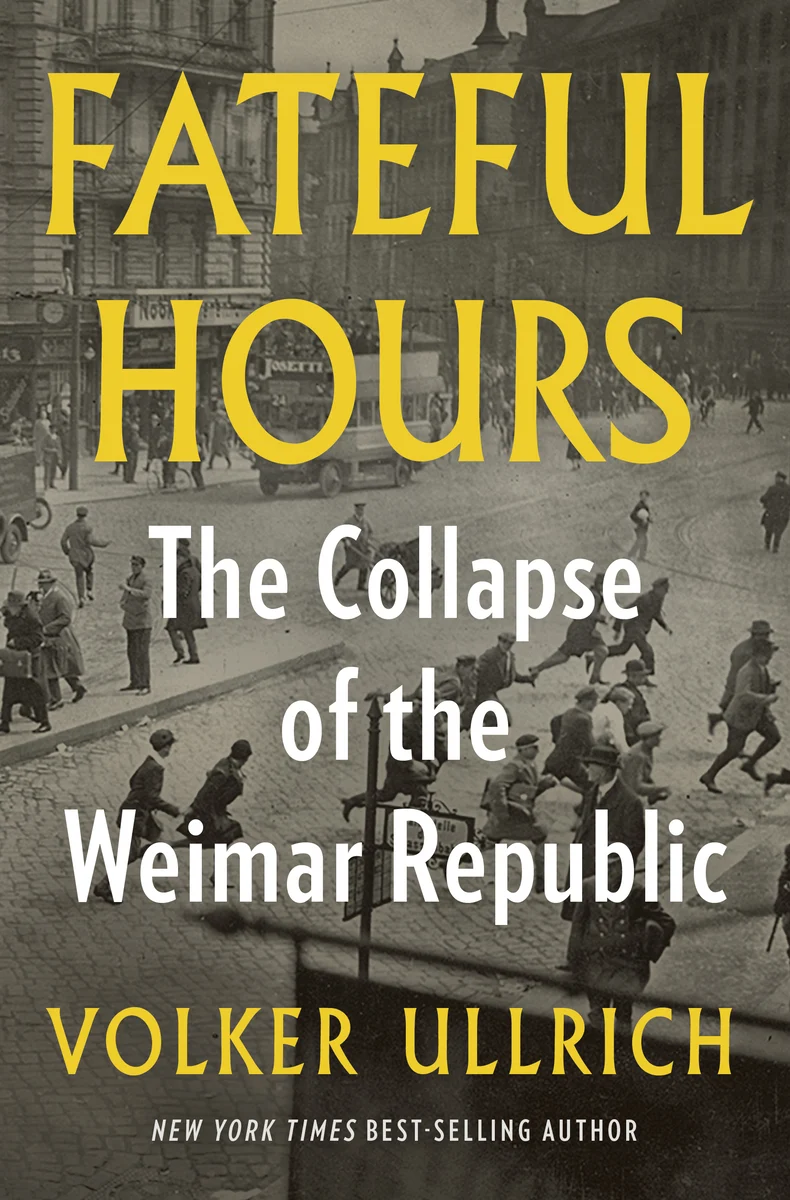
From the publisher: “Democracies are fragile. Freedoms that seem secure can be lost. Few historical events illustrate this as vividly as the failure of the Weimar Republic. Germany’s first democracy endured for fourteen tumultuous years and culminated with the horrific rise of the Third Reich. As one commentator wrote in July 1933: Hitler had “won the game with little effort. . . . All he had to do was huff and puff—and the edifice of German politics collapsed like a house of cards.” But this tragedy was not inevitable.
In Fateful Hours, award-winning historian Volker Ullrich chronicles the captivating story of the Republic, capturing a nation and its people teetering on the abyss. Born from the ashes of the First World War, the fledgling democracy was saddled with debt and political instability from its beginning. In its early years, a relentless chain of crises—hyperinflation, foreign invasion, and upheaval from the right and left—shook the republic, only letting up during a brief period of stability in the 1920s. Social and cultural norms were upended. Political murder was the order of the day. Yet despite all the challenges, the Weimar Republic was not destined for its ignoble end.
Drawing on letters, memoirs, newspaper articles, and other sources, Ullrich charts the many failed alternatives and missed opportunities that contributed to German democracy’s collapse. In an immersive style that takes us to the heart of political power, Ullrich argues that, right up until January 1933, history was open. There was no shortage of opportunities to stop the slide into fascism. Just as in the present, it is up to us whether democracy lives or dies.”
Edward J. Larson, Declaring Independence: Why 1776 Matters (W. W. Norton & Company)
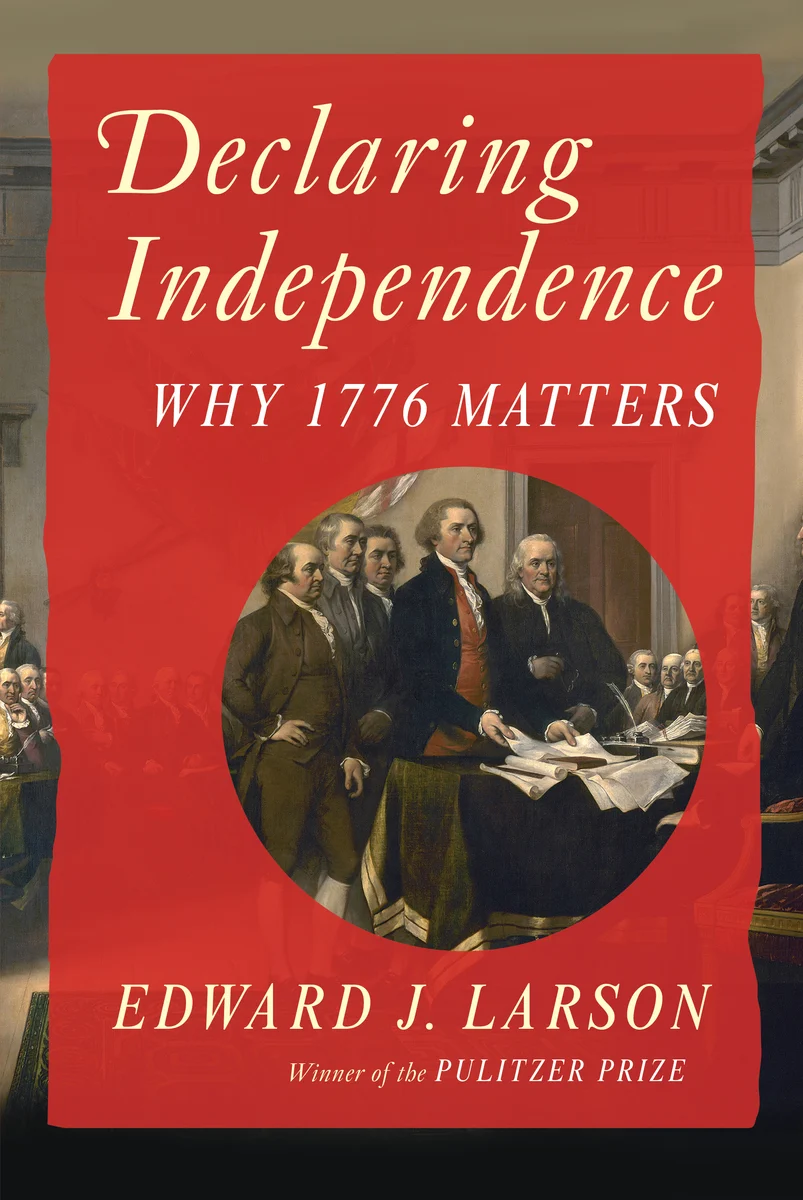
From the publisher: “At the beginning of 1776, virtually no one in the colonies was advocating independence: Americans based their grievances against Parliament on their rights as British subjects. By the end of 1776, independence was on every patriot’s lips. The many tyrannies of a king had made an independent republic necessary. In Declaring Independence, Edward J. Larson gives us a compact, insightful history of that pivotal year. He traces a narrative arc that runs from the inspiring appeals of Paine’s Common Sense in January; through the soaring ideals of midsummer, when the Continental Congress grounded independence in the self-evident truths of human equality and individual rights, and the states wove revolutionary principles of republican government and the rule of law into their new constitutions; to Paine’s urgent pleas of December, when “the times that try men’s souls” required Americans not “to shrink from the service of their country.” Dramatic military clashes also punctuate the year: the British evacuation of Boston forced by the brilliant maneuvers of Washington’s Army; the Battle of Long Island, a costly defeat that opened New York to British occupation; and the desperate year-end victory of a threadbare American army at Trenton.
Combined, these ideals and the sacrifices remind us why, on this anniversary and at this political moment, 1776 matters to all of us.”
Max Hastings, Sword Beach: D-Day Baptism by Fire (W. W. Norton & Company)
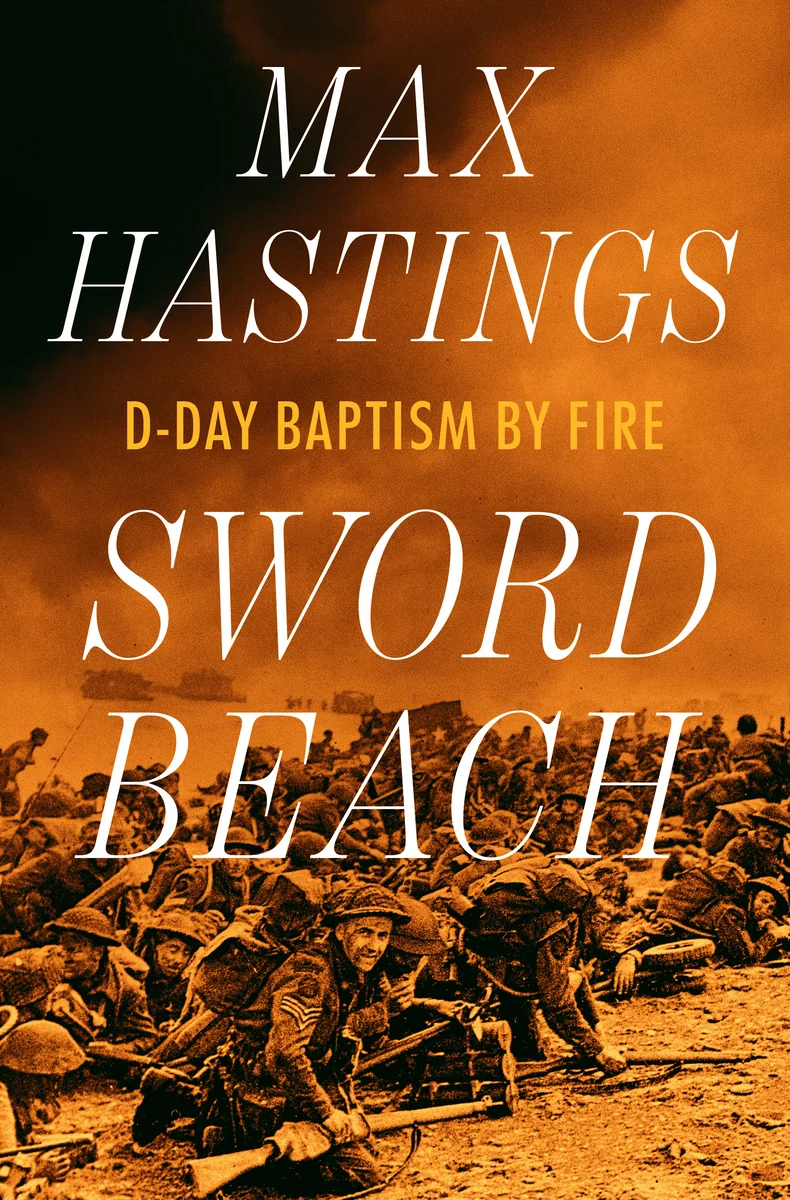
From the publisher: “Between 1941 and 1944, the British army contributed relatively little to World War II. On the unremittingly bloody Eastern Front, no Russian or German soldier had experienced the luxury of having four years to prepare and train for a resumption of the European continental campaign. But on D-Day—June 6, 1944—the lives of British soldiers changed. Thiry-five thousand infantrymen, airmen, and special service operatives were sent headfirst into the whitest heat of war, almost overnight.
Max Hastings’s Sword Beach tells the story of a handful of British soldiers and their critical role in D-Day’s parachute and seaborne offensive. On Sword, the codename of one of the two beaches assaulted by the British, scores of soldiers were killed by the first shots that they ever heard fired in anger. One British corporal insisted on apologizing to his enemy prisoners, and the Free French troops, 120-men strong, suffered 60 percent losses in the first days of fighting. With his signature blend of drama and detail, Hastings shows how the men who landed on Sword played a critical role in Britain’s preeminent landmark victory and the most spectacular battlefield event of World War II in the West.
Sword Beach fills in many of the missing pieces and human stories that have long been left out of the sweeping macro-stories of the Normandy invasion. Based on published memoirs, interviews with D-Day veterans, and rigorous research, Hastings lends color and shade to the climactic action of the Western Front’s most famous battle. Sword Beach describes the lives of a small number of men, on a single day, who faced the immediate transition from make-believe battle to the war’s most violent circumstances.”
Mikhail Zygar, The Dark Side of the Earth: Russia’s Short-Lived Victory Over Totalitarianism (Scribner)
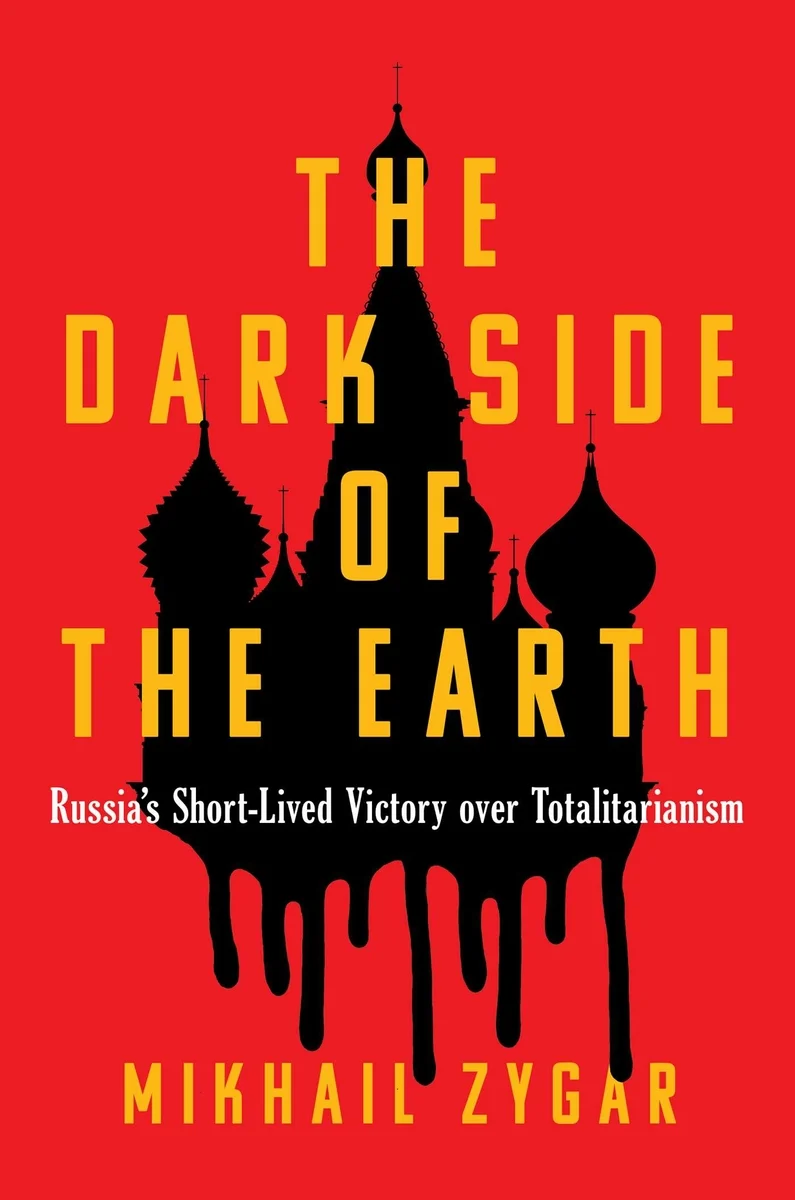
From the publisher: “Russian-born journalist Mikhail Zygar was ten years old when the Soviet Union collapsed. Now, after nearly ten years of research, he offers a timely and compelling new approach on Russian history—one that rewrites everything we thought we knew about the fall of the Soviet Union—and argues that its ending is yet to come. Starting with the historic launch of the first human into space in April 1961, Zygar unravels a dramatic story of resistance, resilience, and resurgence that led to the Soviet Union’s dissolution—and the echoes of its legacy today.
Zygar conducted several hundred exclusive interviews with key figures, including Soviet President Mikhail Gorbachev, first presidents of the independent post-Soviet republics, the last first secretaries of these republics, and leaders of independence movements within them, as well as Western politicians and diplomats who were witnesses to and participants in those events. He dives into the struggles and triumphs of figures like Andrei Sakharov, Alexander Solzhenitsyn, and Vladimir Vysotsky, whose defiance of totalitarianism is both inspiring and deeply relevant. Zygar explains how the “victory” over the Soviet Empire may have been short-lived, as today’s Russian regime maintains its imperial ambitions.
A must-read for anyone looking to understand the origins of modern Russian fascism, The Dark Side of the Earth explores how imperial and nationalist ideas developed during the Soviet era and eventually gave rise to the current Putinist ideology. Zygar’s work is uniquely powerful—fueled by his personal ties to the Soviet era, access to historical archives, and interviews that crack open hidden truths, including several with individuals who had never before spoken on the record.
More than a history lesson, The Dark Side of the Earth is a call to action and a testament to the enduring fight for truth and freedom. Zygar urges us to confront the narratives we’ve accepted and rethink how we face oppression today. Bold, brilliant, and deeply human, this is a story that demands to be heard.”
Paul Heideman, Rogue Elephant: How the Republicans Went from the Party of Business to the Party of Chaos (Verso)
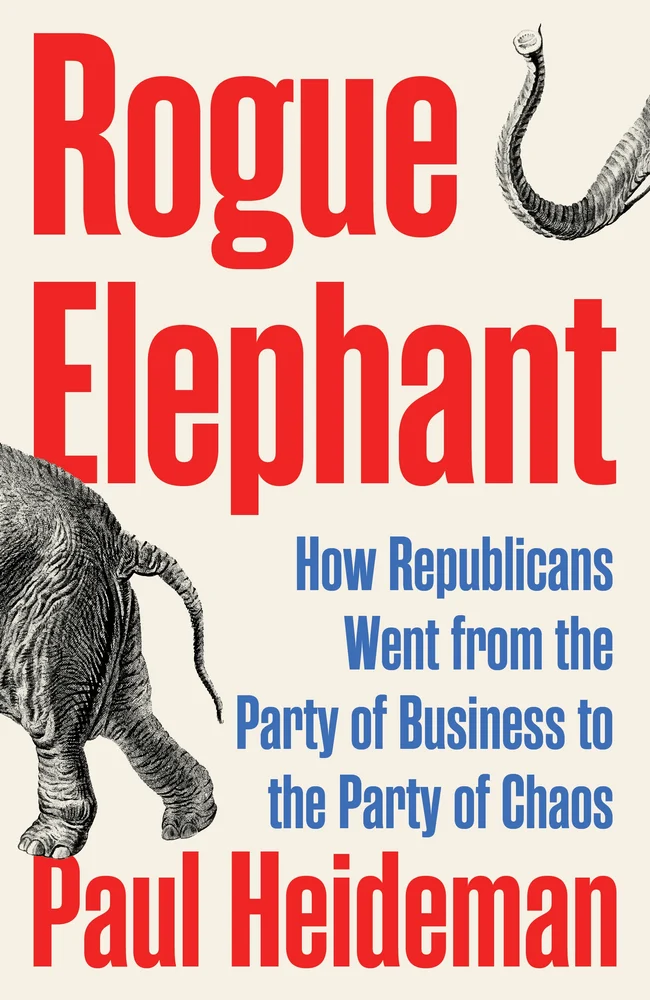
From the publisher: “Rogue Elephant traces the radicalization of the Republican Party over the past fifty years, arguing that its subordination to Donald Trump was not an anomaly, but rather the culmination of processes at work for decades. Providing a new perspective on figures from Newt Gingrich and George W. Bush to the Koch brothers and Donald Trump, it shows that the party’s lurch to the far right was the pro-duct of a volatile mix of a disorganized party structure and a divided and fractious class of American business owners.
These forces have propelled ever more reactionary leaders to the front of the party, setting up cycles where the insurgents of one period become the party establishment of the next, and find themselves confronted with a new batch of insurgents even farther to the right. The result is that a party once seen as the handmaiden of American business has increasingly come into conflict with business groups like the Chamber of Commerce. Considering the implications of these dynamics for American democracy, Paul Heideman warns that there may be no going back to normal for the Republican Party without a much broader transformation of American society.”
Joseph Luzzi, The Innocents of Florence: The Renaissance Discovery of Childhood (W. W. Norton & Company)
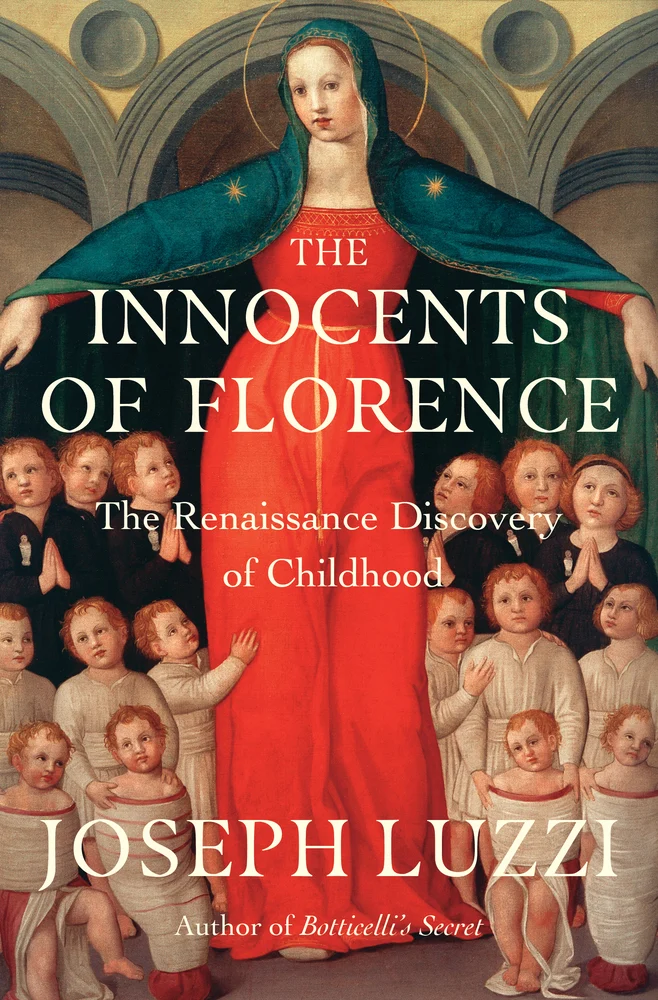
From the publisher: “The story begins with the abandonment of the newborn Agata Smeralda on February 5, 1445, in Florence’s Hospital of the Innocents, the first—but certainly not the last—child to be left at its doors. In an era when children were frequently abandoned, often trafficked or left to die on the streets, an orphanage devoted to their care and protection was a striking innovation. The Innocenti, as it has come to be called—the first orphanage in Europe devoted exclusively to unwanted children—would go on to care for nearly 400,000 young lives over the next five centuries.
Built by the Silk Weavers Guild at a time when the wealthy were expected to contribute to civic life, the Innocenti featured glorious arches designed by Filippo Brunelleschi and housed works by some of the greatest artists of the Renaissance, from the painter Domenico Ghirlandaio to the sculptor Luca della Robbia. Meanwhile, the new orphanage also redefined the idea of “childhood” itself, particularly in education, as boys were often taught not just Latin and basic numeracy, but also a well-rounded curriculum that included art, literature, and music. Girls learned viable trades such as weaving and silk manufacturing, and the Innocenti assisted them in securing suitable marriages to protect them from poverty or a life of prostitution. Over the centuries, the orphanage oversaw groundbreaking scientific discoveries—it was a birthplace of modern pediatrics—while struggling against rampant disease, constant financial crises, and the dramatic ups and downs of Florentine politics in the Medici era
Reflecting in a touching preface on the major caregivers in his own life, Joseph Luzzi narrates the fascinating history of this revolutionary orphanage, offering readers the first comprehensive “biography” of a groundbreaking humanitarian institution that recognized poor and abandoned children as worthy of nurture—and thereby shaped education and childcare for generations to come.”
Eric H. Cline, Love, War, and Diplomacy: The Discovery of the Amarna Letters and the Bronze Age World They Revealed (Princeton University Press)
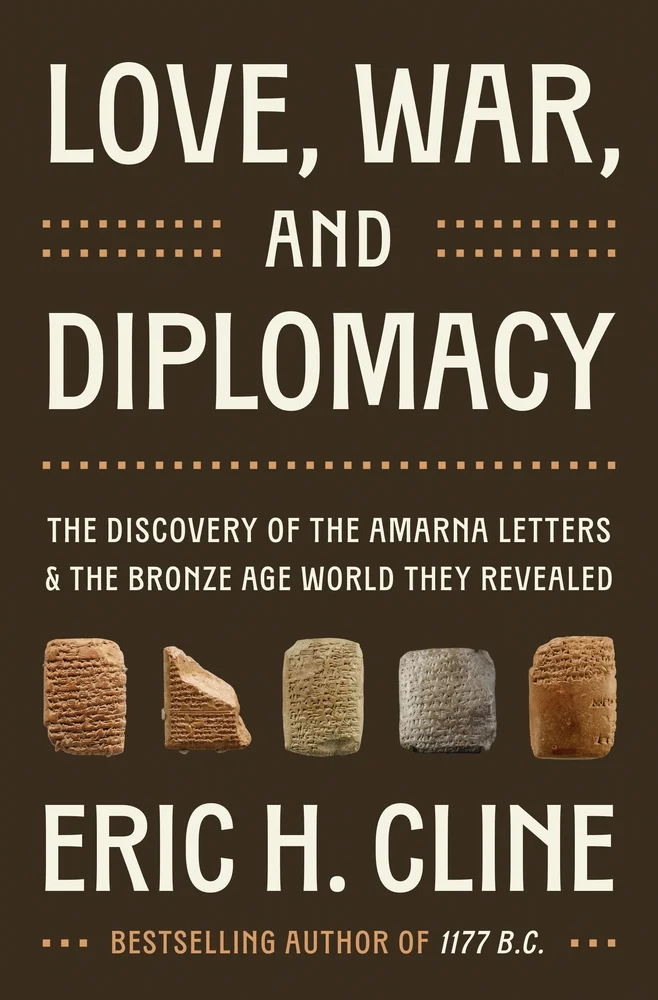
From the publisher: “In 1887, an Egyptian woman made an astonishing discovery among the ruins of the heretic king Akhenaten’s capital city, a site now known as Amarna. She found a cache of cuneiform tablets, nearly four hundred in all, that included correspondence between the pharaohs and the mightiest powers of the day, such as the Hittites, Babylonians, and Assyrians. Love, War, and Diplomacy tells the story of the Amarna Letters and the dramatic world of the Bronze Age they revealed.
Blending scholarly expertise with painstaking detective work, Eric Cline describes the spectacular discovery, the fierce competition among dealers and museums to acquire the tablets, and the race by British and German scholars to translate them. Dating to the middle of the fourteenth century BCE and the time of Tutankhamun’s immediate predecessors, Amenhotep III and his son Akhenaten, the Amarna Letters are the only royal archive from New Kingdom Egypt known to exist. In them, we learn of royal marriages, diplomatic negotiations, gift-giving, intrigue, and declarations of brotherly love between powerful rulers as well as demands made by the petty kings in Canaan who owed allegiance to Egypt’s pharaohs.
A monumental achievement, Love, War, and Diplomacy transports readers to the glorious age of the Amarna Letters and the colonial era that brought them to light and reveals how the politics, posturing, and international intrigues of the ancient Near East are not so unlike today’s.”
Charles Dick, Unknown Enemy: The Hidden Nazi Force That Built the Third Reich (Bloomsbury)
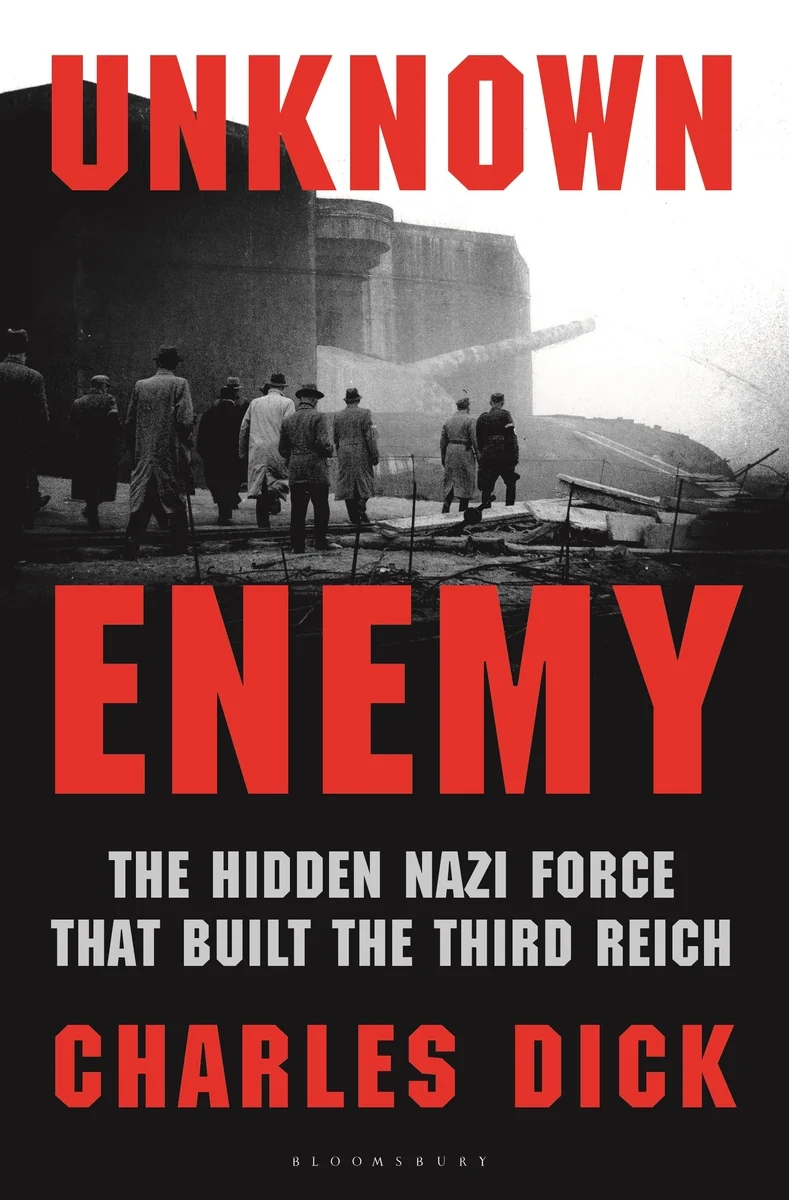
From the publisher: “Whether it was military fortifications or grand cities designed to follow victory, Adolf Hitler turned to his loyal favorites for construction projects matching his imperial ambitions. Of the course of five years, he landed Organisation Todt, “the most impressive building programme since Roman times,” according to British intelligence. Headed by Albert Speer, the OT became a key partner to the SS and the Wehrmacht and led to the deaths of millions.
After Germany’s defeat, Organisation Todt largely slipped under the radar. Unknown Enemy is the first major account of their operations, which grew out of the largest system of exploited labor since the Transatlantic Slave Trade. Charles Dick takes us to OT sites across Europe, from the Arctic circle to the Balkans and deep into what the Third Reich termed its “eastern Lebensraum,” to reveal how the organization boosted the German war economy by plundering raw materials and manpower, working thousands of prisoners to death within the SS-run concentration camp system and outside it. Drawing on devastating personal testimonies and extensive archival research, Unknown Enemy unveils how Germany’s leading engineers and architects—neither soldiers nor policemen—got away with some of the gravest crimes ever perpetrated over the course of World War II.”
Martha Blondi, We Are Internationalists: Prexy Nesbitt and the Fight for African Liberation (University of California Press)
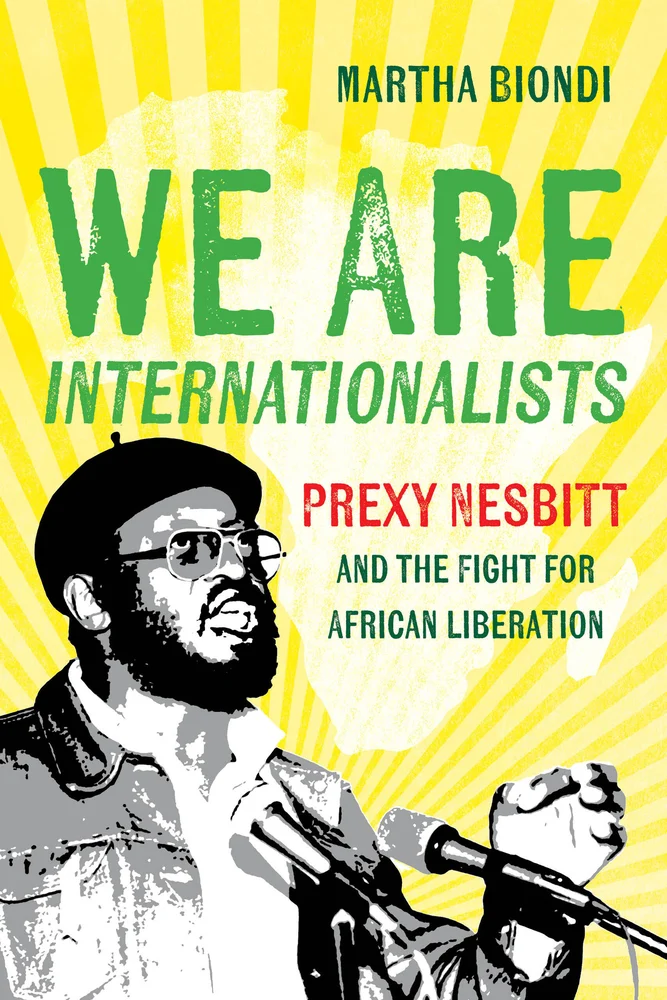
From the publisher: “F or many civil rights activists, the Vietnam War brought the dangers of US imperialism and the global nature of antiracist struggle into sharp relief. Martha Biondi tells the story of one such group of activists who built an internationalist movement in Chicago committed to liberation everywhere but especially to ending colonialism and apartheid in Africa.
Among their leaders was Prexy Nesbitt. Steeped from an early age in stories of Garveyism and labor militancy, Nesbitt was powerfully influenced by his encounters with the exiled African radicals he met in Dar es Salaam, London, and across the United States. Operating domestically and abroad, Nesbitt's cohort worked closely with opponents of Portuguese and white minority rule in Mozambique, Angola, and South Africa. Rather than promoting a US conception of Black self-determination, they took ideas from African anticolonial leaders and injected them into US foreign policy debates.
The biography of a man but even more so of a movement, We Are Internationalists reveals the underappreciated influence of a transformative Black solidarity project.”
Lubaaba Al-Azami, Travellers in the Golden Realm: How Mughal India Connected England to the World (John Murray/Hachette UK)
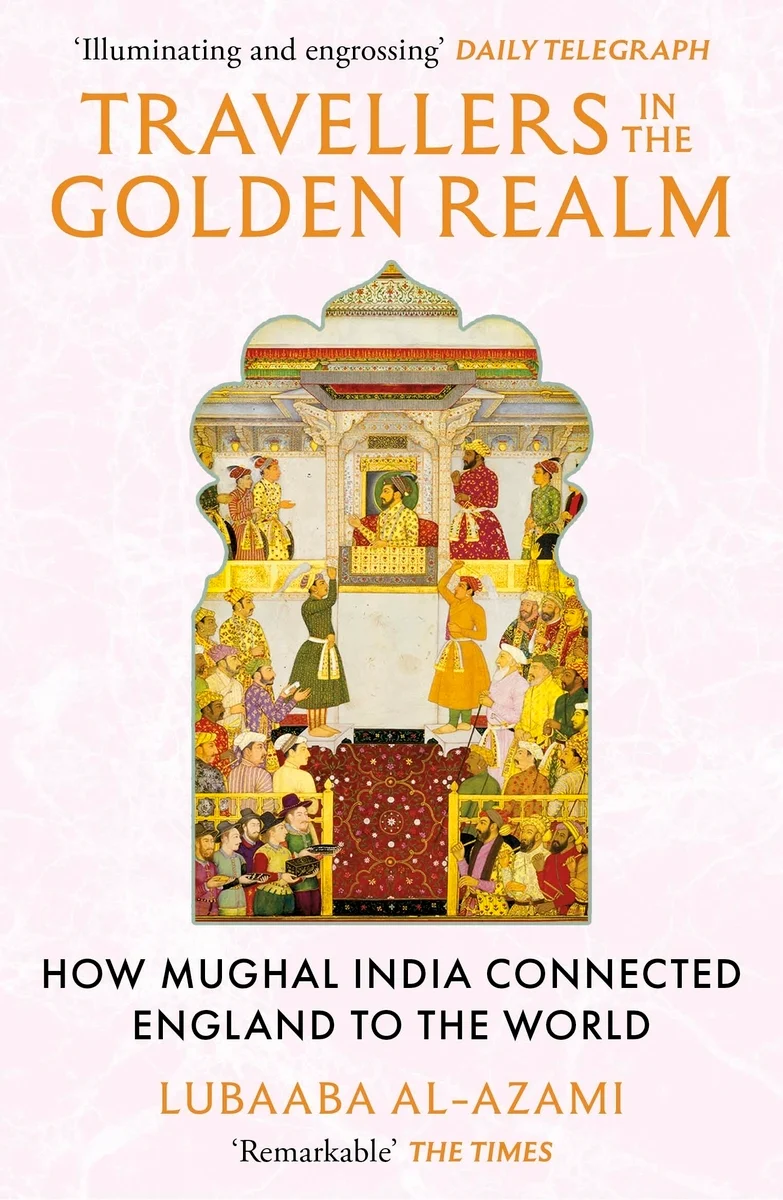
From the publisher: “Before the East India Company and the British Empire, England was a pariah state. Seeking better fortunes, 16th and 17th century merchants, pilgrims and outcasts ventured to the kingdom of the mighty Mughals, a land ruled from the palatial towers by women - Empress Nur Jahan Begim, the Queen Mother Maryam al-Zamani, and Princess Jahanara Begim.
Into this golden realm went Father Thomas Stephens, a Catholic fleeing his home; the merchant Ralph Fitch seeking jewels in the markets of Delhi; and John Mildenhall, an adventurer revelling in the highwire politics of the Mughal elite. This collision of worlds connected East and West, launching a tempestuous period of globalization from the Chinese opium trade to the slave trade in the Americas.
Drawing on rich, original sources, Lubaaba Al-Azami traces the origins of a relationship between two nations - one outsider and one superpower - whose cultures remain inextricably linked to this day.”
Kristin Roebuck, Japan Reborn: Race and Eugenics from Empire to Cold War (Columbia University Press)
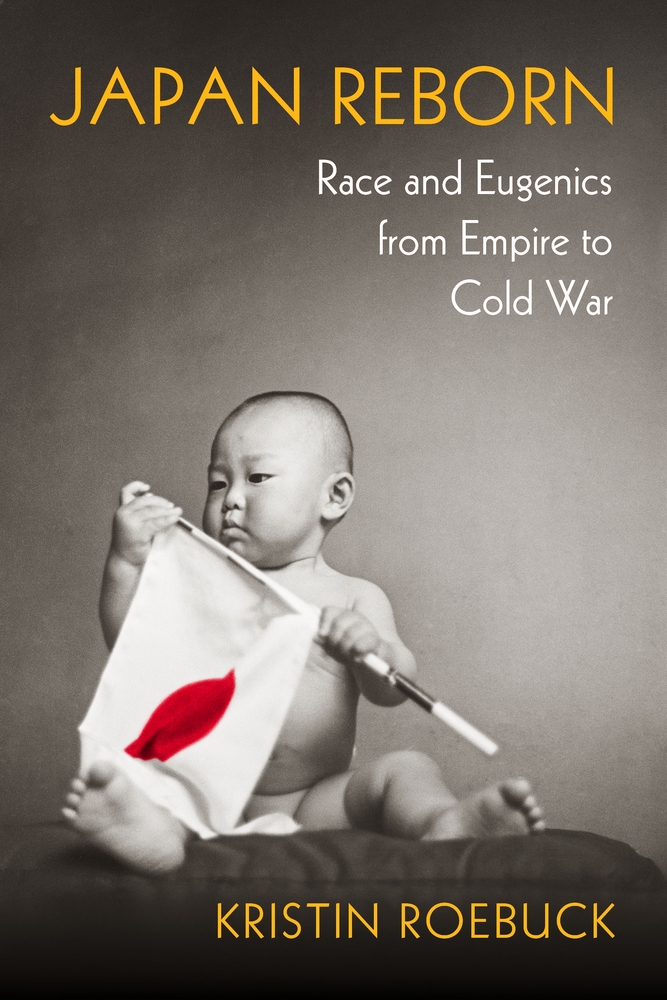
From the publisher: “At the peak of imperial expansion in World War II, Japan touted itself as a multiracial paradise. The state, eugenicists, and media supported intermarriage and adoption as tools of empire, encouraging “blood mixing” to fuse diverse populations into one harmonious family. Yet after defeat in World War II, a chorus of Japanese policy makers, journalists, and activists railed against Japanese women who consorted with occupying American men and their mixed-race children. Why did Japan embrace “mixed blood” as an authoritarian empire yet turn to xenophobic racial nationalism as a postwar democracy?
Tracing changing views of the “mixed blood” child, Japan Reborn reveals how notions of racial mixture and purity reshaped Japanese identity. Kristin Roebuck unravels the politics of sex and reproduction in Japan from the invasion of Manchuria in the 1930s to the dawn of US-Japan alliance in the 1950s, uncovering eugenic ideas and policies that policed the boundaries of kinship and country. She shows how the trauma of defeat sparked an abhorrence of interracial sex and caused a profound devolution in the social status of “mixed” children and their Japanese mothers. She also unpacks how Japan’s postwar identity crisis put pressure on the United States to bring Japanese brides and “mixed blood” children into the Cold War American family. Shedding light on the sexual and racial tensions of empire, occupation, and the Cold War, this book offers new ways to understand the shifting terrain of Japanese nationalism and international relations.”
Patrick Wensink, The Great Black Swamp: Toxic Algae, Toxic Relationships, and the Most Interesting Place in America that Nobody’s Ever Heard Of (Belt Publishing)
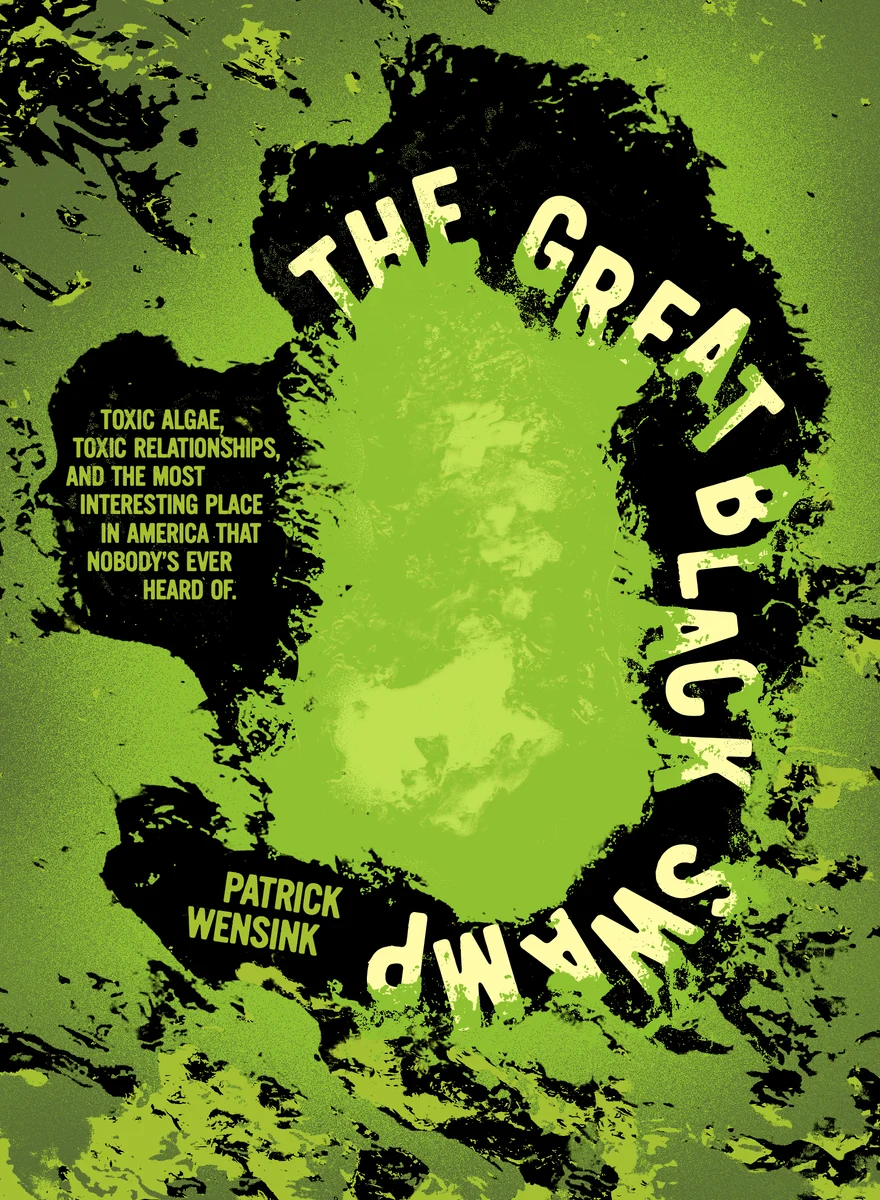
From the publisher: “In the summer of 2014, a strange thing happened to one of the largest freshwater bodies on the planet: Lake Erie’s western shore turned bright green with toxic algae that could have killed 400,000 Ohioans. Stranger still, it was kind of Patrick Wensink’s fault. Okay, partially his fault, but also to blame was industrial corn farming, greenhouse gasses, the Worst Road In America, his attraction to toxic relationships, Richard Nixon, Charles Dickens, cyanobacteria, high school bullies, and, most importantly, the untold history of the Great Black Swamp: a large swatch of what is now Ohio and Indiana that was once a dangerous, malaria-ridden wetland.
Toxic green algae has become a global problem. While the scientific community scrambles to find a solution, Wensink discovers that the answer might be hiding in his former home, a million acres of table-flat farmland so desolate that even other Ohioans look down upon it.
Great Black Swamp: Toxic Algae, Toxic Relationships, and the Most Interesting Place in America that Nobody’s Ever Heard Of mixes ecological reporting, Midwestern history, and memoir. As Wensink travels through Northwest Ohio, he tells us about his childhood there, his failing marriage, American history, Lake Erie, and the hopeful ecological interventions scientists are performing in the former Great Black Swamp.”
Beth Robinson, Sweatshop Capital: Profit, Violence, and Solidarity Movements in the Long Twentieth Century (Duke University Press)
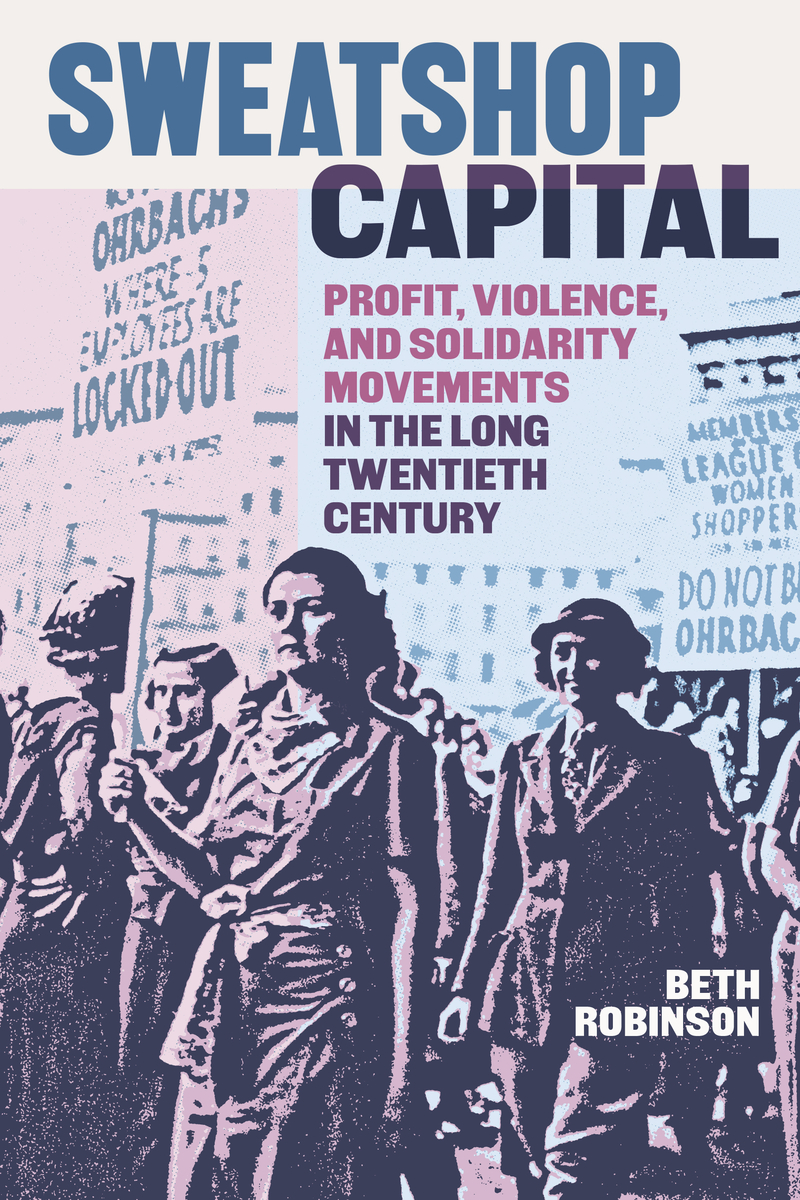
From the publisher: “Beth Robinson examines the sweatshop labor practices that produced American consumer products from the late nineteenth through early twenty-first centuries, as well as the labor and social movements that contested them.
In Sweatshop Capital, Beth Robinson examines the brutal sweatshop labor conditions that produced American consumer goods from the late nineteenth through the early twenty-first centuries, as well as the labor and social movements that contested them. Arguing that sweatshop labor is a persistent feature of capitalism, she shows how manufacturers used both their influence in government and their mobility to sidestep US labor laws, maximize profits, and perpetuate abuses. She outlines how workers and their allies routinely confronted manufacturers by building solidarity networks across race, class, and national lines. Drawing on activists’ literature, news accounts, archival sources, and oral histories, Robinson presents the long history of the antisweatshop movements that responded to American capital’s pursuit of profit through hyperexploitation with a wide range of protest, legal action, and creativity. Beginning with the sweatshops and reformers of the Progressive Era, Robinson moves through the Great Depression and the activism of the Popular Front, the “free trade” globalization of the 1990s and its discontents, and, finally, the global cyber and gig economies of the twenty-first century and the growing movements to rein them in.”
Inger N. I. Kuin, Diogenes: The Rebellious Life and Revolutionary Philosophy of the Original Cynic (Basic Books)
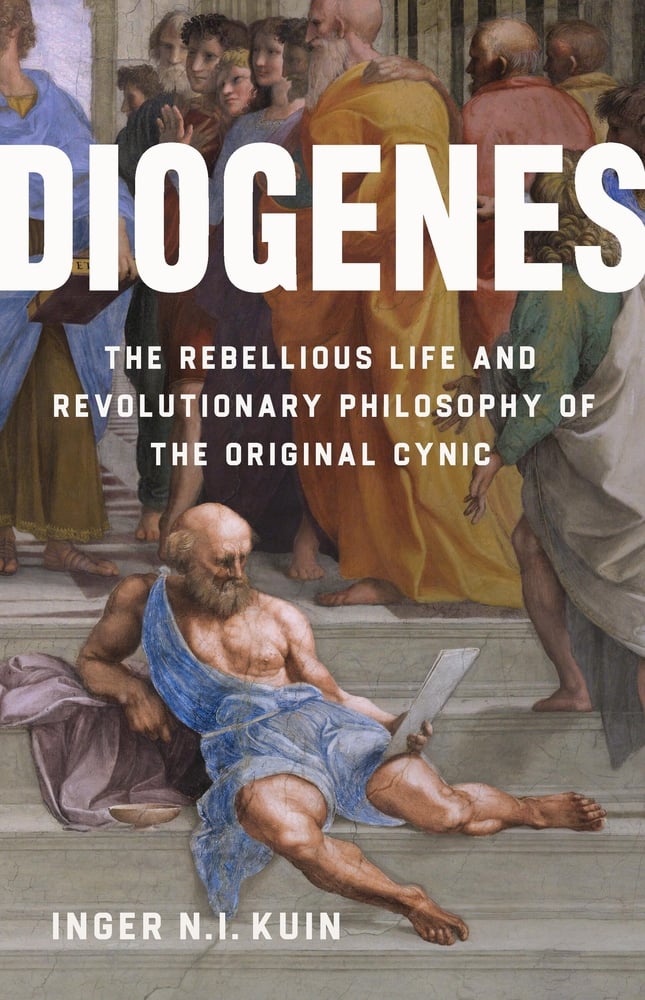
From the publisher: “In his own day, the ancient philosopher Diogenes the Cynic had a reputation for eccentricity, heckling his fellow philosophers in the marketplace, living in a clay pot, and relieving himself in public. Since his death in 323 BCE, devoted followers made him and his ideas famous the world over. But what we think we know about Diogenes remains distorted and sanitized.
In Diogenes, classicist Inger N.I. Kuin scours all existing evidence of Diogenes and his followers to offer an in-depth account of Diogenes’ life and thought, revealing a man whose innovative ideas about power, death, nature, and the body have much to teach the contemporary world. He pioneered a vision of simplicity and autonomy in his day-to-day life, stressing the importance of living in the here and now, and of always thinking for oneself. Diogenes stands apart as history’s first recorded critic of slavery and a proud exile from polite society whose challenging thought proved foundational for the Stoics and their successors.
Diogenes rehabilitates Diogenes as a compelling thinker for the twenty-first century, one who demands that we look at our society with fresh eyes and be unafraid of change—starting with ourselves.”
